
Choose for your cup, not the label.
A useful choice starts with how you plan to drink your matcha. Learn what to look for without relying on vague grade claims.
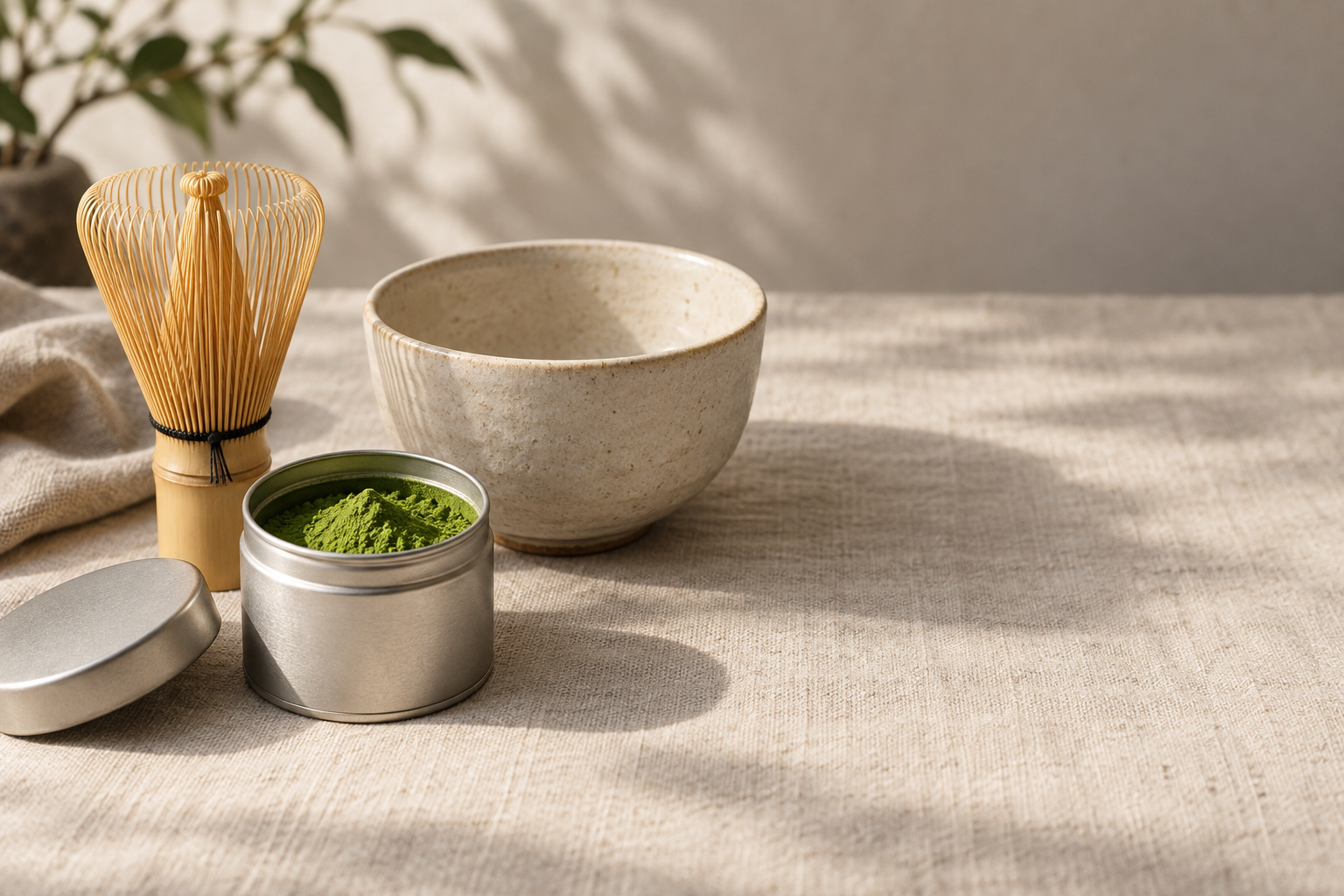
How to choose matcha for your first purchase
Choose for how you will drink it, then check freshness and value.
Read guideMatcha for whisking, lattes or cooking
Your preparation method should guide the powder you buy.
Read guideWhat does ‘ceremonial grade’ matcha mean?
Understand the label without treating it as a universal quality test.
Read guideHow to read a matcha product listing
A short checklist for finding information behind the marketing language.
Read guideHow to store matcha after opening
Keep the tin closed, protected and sized for how quickly you drink it.
Read guide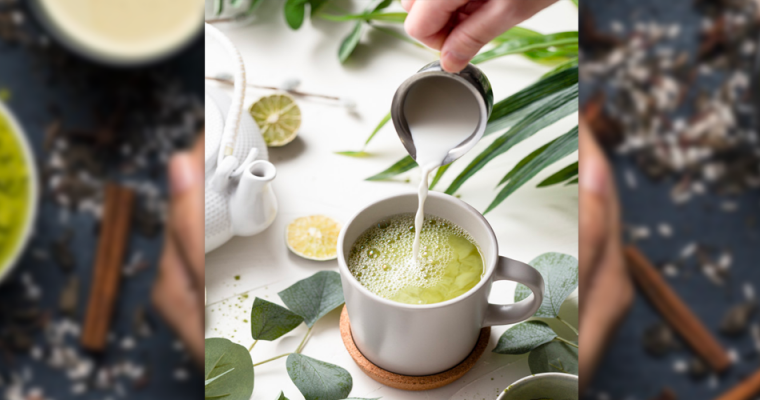
Is expensive matcha worth it for lattes?
The best value is a fresh matcha whose flavour still comes through your usual milk—not necessarily the costliest tin.
Read guideDoes Matcha Colour Tell You Its Quality?
Bright green colour can be a useful clue when judging matcha, but it is not a quality verdict on its own. Colour is one part of a broader assessment that also considers aroma, taste, texture and other characteristics. Lighting, storage and the tea’s production can also affect what you see.
Read guideHow Can You Tell If Matcha Is Fresh or Oxidised?
Matcha that has lost freshness may look less vivid or taste and smell less lively, but color alone cannot tell you exactly what has happened. Compare the powder with its earlier appearance, consider how it has been stored, and treat sensory changes as clues rather than proof.
Read guideWhat Does “First Harvest” Mean on Matcha?
“First harvest” usually refers to tea leaves picked in the year’s first picking, often called the first flush or ichibancha. For matcha, those leaves are processed into tencha before being ground. The phrase gives useful information about harvest timing, but it does not, by itself, tell you the tea’s grade, taste, or overall quality.
Read guide